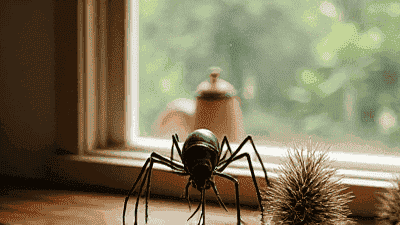
When it comes to maintaining a safe and comfortable living environment, pest control is a critical consideration for homeowners. Pests can cause significant damage to the structure of your home, compromise your health, and create unsanitary living conditions. Understanding which pests are most likely to invade your home, the damage they can inflict, and methods of prevention can help you safeguard your property and ensure a pest-free environment.
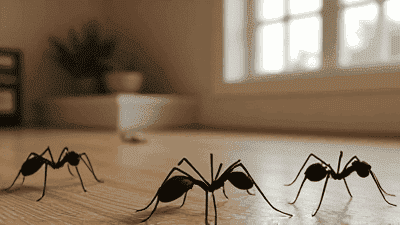
Ants are one of the most common and persistent pests that can invade kitchens. Their ability to form large colonies and their natural instinct to follow food sources make them a formidable foe for homeowners. Preventing ants from invading your kitchen is essential not only for maintaining a clean and healthy environment but also for protecting your food and belongings.
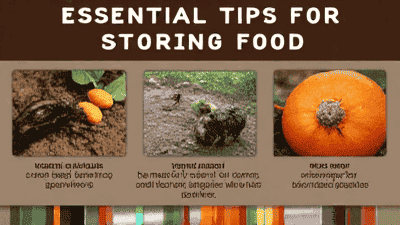
Keeping a well-organized kitchen and pantry is essential for both convenience and health. However, one of the challenges many households face is managing pantry pests. These unwelcome visitors can infest various food products and spoil your hard-earned groceries. Understanding how to properly store food is key to preventing pantry pests, and no one wants to deal with the frustration of finding bugs in their favorite snacks.
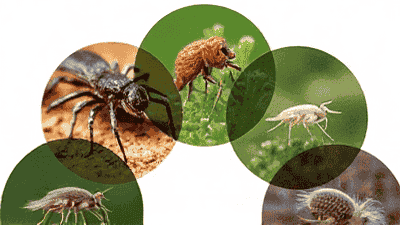
Pest control is an essential aspect of maintaining a comfortable and healthy living environment. Household pests can not only cause damage to property but can also pose health risks to inhabitants. To effectively manage pest populations, it is crucial to understand their life cycles. Each pest species has unique reproductive and developmental stages, and this knowledge can inform your pest control strategies.
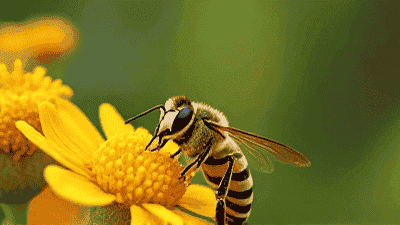
Bees and wasps play a critical role in our ecosystem. They are essential pollinators for many plants, including crops that humans rely on for food. However, their presence around homes and properties can sometimes lead to concerns about safety, particularly for those who are allergic to their stings. It is crucial to approach the removal of bees and wasps with caution and respect, balancing the need for safety with the importance of preserving these beneficial insects.